Royal Theatre and Court Spectacle
Frederick V founded the Royal Danish Theatre (1748), consolidating opera, ballet and drama under court patronage. Bournonville ballet technique still trains dancers in the same institutional lineage.
Court spectacle gradually opened to ticketed bourgeois audiences — entertainment democratised while retaining prestige architecture on Kongens Nytorv.
Tivoli as Popular Counterbalance
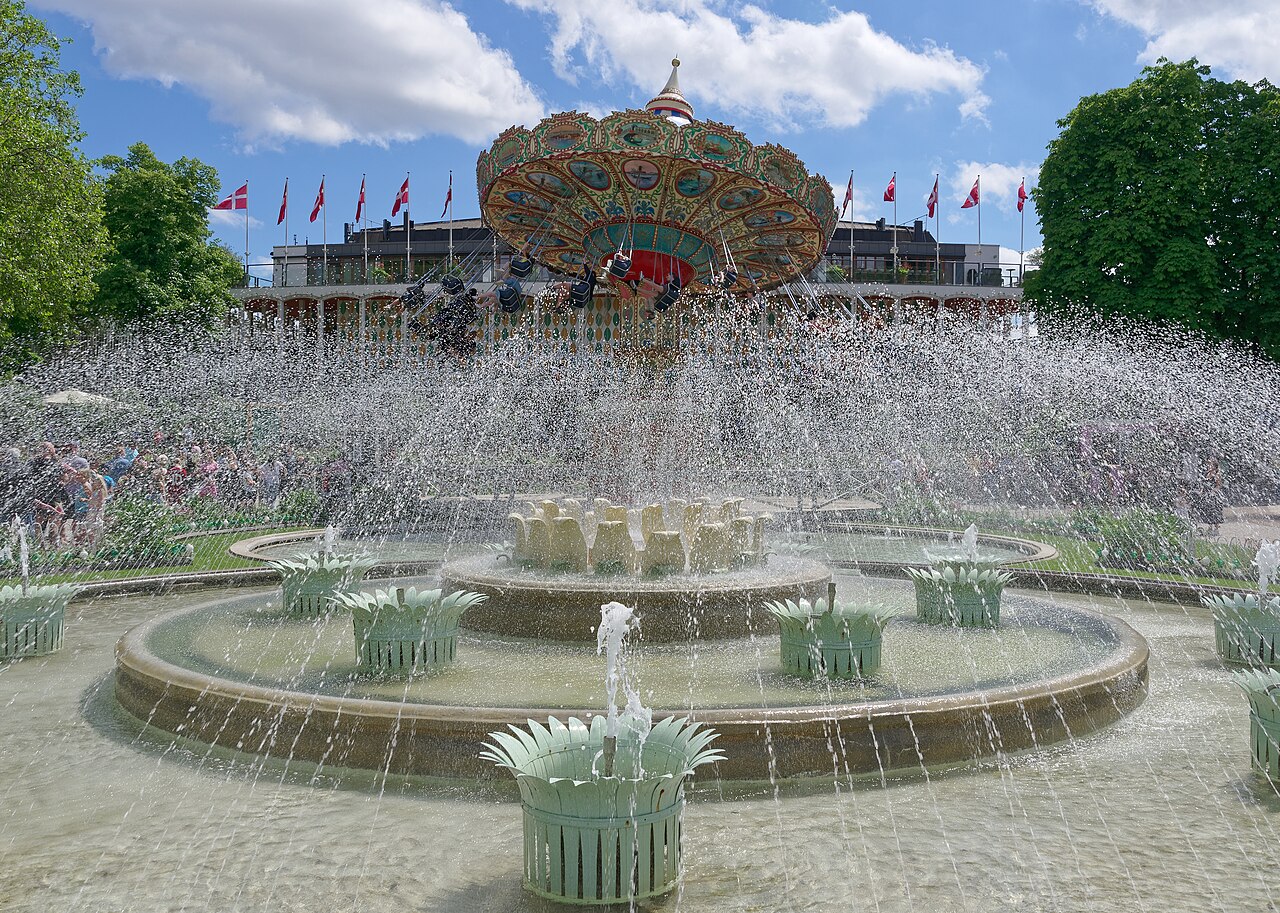
Tivoli offered morally respectable evening leisure outside court repertoire — variety acts, fireworks and promenade concerts accessible to clerks and artisans. This dual system — elite theatre plus popular garden — still structures Copenhagen's cultural budget debates.
Rock concerts at Tivoli and jazz nights in winter gardens demonstrate continuity: popular genres enter respectable walled venues before spreading to clubs.
Danish arts receive substantial municipal and state subsidies — entertainment history is inseparable from welfare-state cultural policy established after World War II.
Jazz, Beat and Harbour Cellars
Post-war American jazz found rooms in Central Hotel and along Gothersgade. Beat generation writers visiting Copenhagen overlapped with local modernist poets, linking nightlife to literary avant-gardes.
Christiania's emergence (1971) added alternative concert spaces with contested legal status — entertainment as political autonomy experiment.
Opera House and Waterfront Performance
Henning Larsen's Opera House on Dokøen extended performing arts into the harbour, paired with the Royal Danish Playhouse opposite — a dialogue of institutions across the water.
Club Culture and Licensing
Nightlife districts shifted from Istedgade to meatpacking district warehouses in Vesterbro. Noise ordinances and neighbour complaints shape closing hours — entertainment history includes zoning law as much as artistic movements.
Festivals and Seasonal Programming
Copenhagen Jazz Festival, Distortion street parties and harbour swim events layer temporary programming onto permanent venues. Seasonal rhythm prevents entertainment monoculture — winter theatre balances summer outdoor stages.
Read more: Tivoli Gardens and its 180-year performance legacy
- Royal Danish Theatre dates to 1748
- Tivoli balanced popular and respectable leisure
- Harbour-front opera and playhouse campuses since 2000s
- Jazz and alternative venues shaped post-war nightlife