Outsider Childhood and Arrival in the Capital
Andersen left Odense poverty for Copenhagen youth with theatre ambitions. Early rejection by the Royal Theatre pushed him toward poetry and travel writing before fairy tales brought financial stability.
His social climbing among patrons generated lifelong anxiety about class authenticity — a tension narrated obliquely in tales where objects yearn for belonging.
Neighbourhood Addresses and Harbour Walks
Andersen occupied numerous rented rooms — including Nyhavn No. 20, commemorated with a plaque. Harbour walks supplied imagery for stories featuring transformation at water's edge.
Guided literary walks connect Christiansborg vistas, the Royal Library garden and Assistens Cemetery, where he rests near Søren Kierkegaard — Denmark's literary pantheon compressed in one graveyard.
Andersen's extensive European travel diaries fed cosmopolitan references uncommon in earlier Danish folk collections — trains, hotels and gaslight enter his prose alongside mermaids and tin soldiers.
Fairy Tale Method and Copenhagen Subtext
Stories such as The Little Mermaid translate harbour sacrifice into universal allegory. The Ugly Duckling encodes provincial arrival in the capital. Readers abroad rarely grasp the Copenhagen specificity embedded in setting details.
Andersen also wrote adult novels and travel books now overshadowed by children's anthologies — recovering them reveals sharper social critique.
Monuments, Museums and Performance
Rosenborg Castle Gardens host an Andersen statue popular with school groups. The Hans Christian Andersen Fairy Tale House presents dioramas and audio narratives for families.
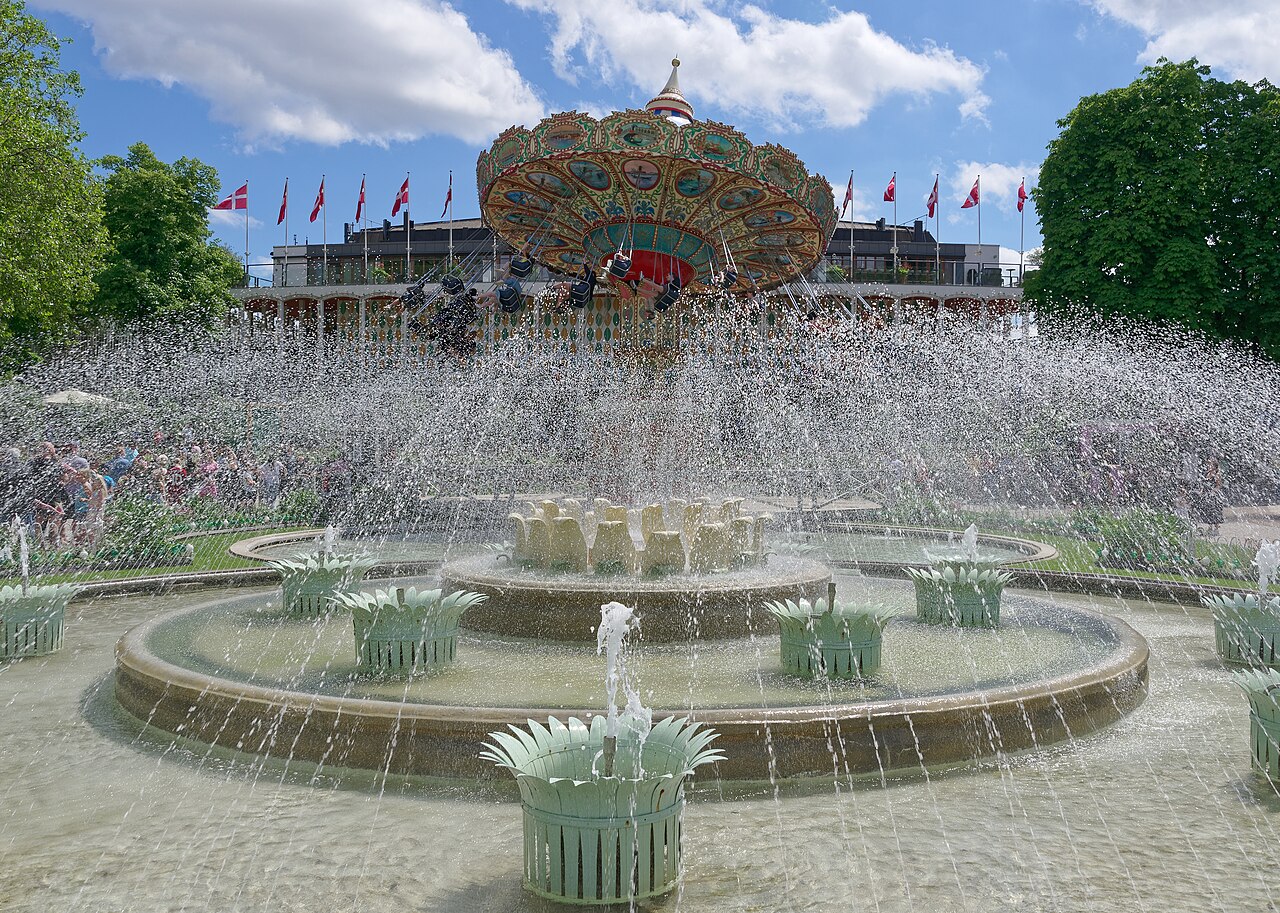
Tivoli and the Royal Theatre staged adaptations during his lifetime; contemporary puppet theatres and Christmas ballets extend performance lineages.
Global Brand, Local Custody
UNESCO and tourism campaigns leverage Andersen softly — Copenhagen markets itself as a city of storytellers while scholars debate simplification of his psychological complexity.
Walking Itinerary for Visitors
A coherent half-day route might begin at Nyhavn plaques, continue to Kongens Nytorv theatres, pause at Rosenborg Gardens, and end at the Little Mermaid via Langelinie promenade — understanding each stop as literary context, not isolated photo opportunity.
Read more: Copenhagen city culture and neighbourhood character
- Nyhavn No. 20 commemorates Andersen's residence
- Assistens Cemetery holds his grave in Nørrebro
- The Little Mermaid links harbour geography to global readership
- Royal Theatre connections shaped his early ambitions